
The Complete Guide To 3PL Fulfillment
Imagine this scenario: One of your customers calls in with a complaint. They ordered a product from your website as a gift, but it arrived too late and they missed a birthday. This is just an example of the kind of problem that can be fixed with 3PL fulfillment.
Another customer received their product in a plain unmarked box, which felt confusing instead of special, while someone else’s order never even left your warehouse because it was overlooked by workers focusing on other tasks.
Sound familiar?
Order fulfillment mistakes and shipping mishaps are a common part of life for many businesses.
But they don’t have to be.
Using a trusted third-party logistics (3PL) company enables you to avoid these hassles and keep customers satisfied on every level. 3PL fulfillment can also help you reduce expenses and increase service quality.
In this guide, we will explore 3PL fulfillment, so you know what to look for and what to expect from your third-party fulfillment provider.
First Of All, What Is 3PL Fulfillment?
As mentioned, 3PL refers to a third-party logistics provider. These companies carry, stock, and ship products for other businesses, and undertake any other fulfillment operations needed.
To optimize operations, third party logistics companies typically offer a range of related services, such as:
-
Custom branded packaging that creates a more memorable unboxing experience and reinforce your brand with every order.
-
Marketing support through custom inserts and promotional materials, to support branding, promotions, and more tailored order presentation.
-
Shipment tracking for better visibility into order status, delivery progress, and post-purchase communication.
-
Integrations with ecommerce platforms to keep orders, inventory, and fulfillment activity connected across your sales channels.
-
Data collection and insights to help you track fulfillment performance, monitor inventory movement, and make better operational decisions.
-
Inventory management and real-time visibility to help reduce stock issues and improve decision-making across the fulfillment process.
And these are just a few of the upsides of third party fulfillment.
Who Uses 3PL Fulfillment?
As supply chains become increasingly intricate, nearly every organization involved in DTC or B2B commerce uses 3PL fulfillment, from small retailers and ecommerce stores to large enterprises.
In the United States alone, the 3PL market size is expected to reach $227.69B in 2026 and grow to $272.74B by 2031, at a 3.68% CAGR.
Businesses across countless industries take advantage of 3PL fulfillment services to reduce costs and keep the distribution process smooth and efficient.
Small Businesses And Startups
Most small businesses and startup companies operate on tight budgets. It’s essential to reduce overhead and staffing costs, and eliminate any unnecessary expenses. These businesses often use 3PL fulfillment in order to stay within their budgets.
Therefore, there is no need to employ extra workers to deal with stocking, packaging, shipping and delivery. They also save money by avoiding running their own distribution centers.
Medium To Large Businesses (DTC & B2B Fulfillment)
Once a business grows and gains enough customers, the challenge becomes keeping those customers satisfied.
Having tens of thousands of customers and orders flooding in every day can become overwhelming. Products are overlooked, shipments are sent out incomplete or incorrect, and packages are lost in transit.
To avoid these disasters, many larger companies use a 3PL fulfillment center to simplify their daily activities. The 3PL company itself specializes in managing all their fulfillment needs, avoiding potential errors and unhappy customers.
Currently (2026), large enterprises account for more than 55% of the 3PL market, while SMEs are the fastest-growing 3PL customer segment, with a CAGR of 11.33%.
Ecommerce Fulfillment
Many businesses now operate online exclusively and do not have a brick-and-mortar presence. These businesses especially make use of fulfillment services to serve their customers.
Using a 3PL fulfillment company is an ideal solution for an ecommerce business. The business’s packaging and shipping needs are taken care of without having to own a warehouse or hire in-house staff for distribution.
Business Expansion: Global And Multi-Channel Fulfillment
A growing number of businesses, even smaller brands, are expanding their online sales to new regions, which can make order virtually impossible to manage in-house.
Many are also selling across multiple channels accross the country or the world, creating more complexity in inventory control, packaging, and shipping. A March 2026 small-business survey found that 37% had added new sales channels in the past year, while 47% planned to add additional channels in the next year.
As a result, omnichannel fulfillment is becoming a core 3PL service that helps brands grow more efficiently.
Together, these shifts help explain why outsourced logistics continue to gain ground, with 86% of 3PL providers reporting an increasing number of shippers that rely on outsourced logistics services.
Why Has 3PL Fulfillment Become So Widespread?

The boom of outsourced order fulfillment started with the Covid-19 pandemic, which increased many companies’ reliance on 3PL providers, due to the worldwide changes in the way consumers shop.
Since then, there has been a growing demand for convenient ecommerce options, simply because there are millions of brands competing for online customers. This bustling market puts pressure on every brand to offer more to their customers; and 3PL ecommerce services help them keep up.
Globalization is another key factor. More than a trend, efficient international shipping and fulfillment can make or break a brand. Companies have seen the overwhelming advantages of using 3PL fulfillment, and it’s now considered the best way of doing business.
How Can Using A 3PL Fulfillment Center Benefit My Business?
Enabling the experts to handle your order fulfillment can mean a significant boost in your customer sales and satisfaction. That matters even more when conversion is already hard to win: only ~2.5% to 3.2% of visitors to ecommerce websites actually make a purchase. As for consumers who fill online shopping carts, about 70% abandon those carts without purchasing.
There are many reasons behind incomplete purchases, but according to a study by the Baymard Institute, 60% of consumers listed high shipping costs as a key reason, while 18% said the delivery time was too slow.
So, basically, if you don’t offer strong shipping and delivery options, you are missing out on a huge portion of potential customers.
And these are just some of all the benefits third party fulfillment offers:
Rapid, Affordable Shipping
A quality 3PL fulfillment company focuses on accuracy and speed. As soon as an order is received, it is picked, packed and shipped, usually on the same day. Businesses that process customer orders as only one part of their everyday activities often have slower shipping times, as staff have many other duties.
3PL staff are exclusively focused on fulfilling orders, leading to shorter wait times and higher customer satisfaction rates. Having a company dedicated solely to this aspect of your business enables you to fill a higher volume of orders more accurately in a shorter amount of time. The sheer volume of orders also enables these companies to provide less expensive shipping rates.
Cost Savings
Working with a 3PL fulfillment center can help your business reduce its expenses in a number of important areas.
All-In-One Fee For Multiple Services
A 3PL provider handles many aspects of order fulfillment, from storage to packing to delivery. Instead of paying separate companies for each of these services, you can pay a single monthly fee to an all-in-one provider who takes care of everything.
Lower Shipping Rates
3PL providers can often negotiate lower rates from package delivery services such as UPS and FedEx, passing the savings along to you and your customers.
No Need For Distribution Staff Or Storage Space
Order fulfillment is a massive task, and only becomes larger the more your business grows. If you’re trying to handle it internally, you will need to hire dedicated staff to manage inventory, pick and pack, ship orders, handle tracking and delivery, and so on. You will also need to rent or buy warehouse space. These costs quickly add up, and increase over time.
Excellent Inventory Management
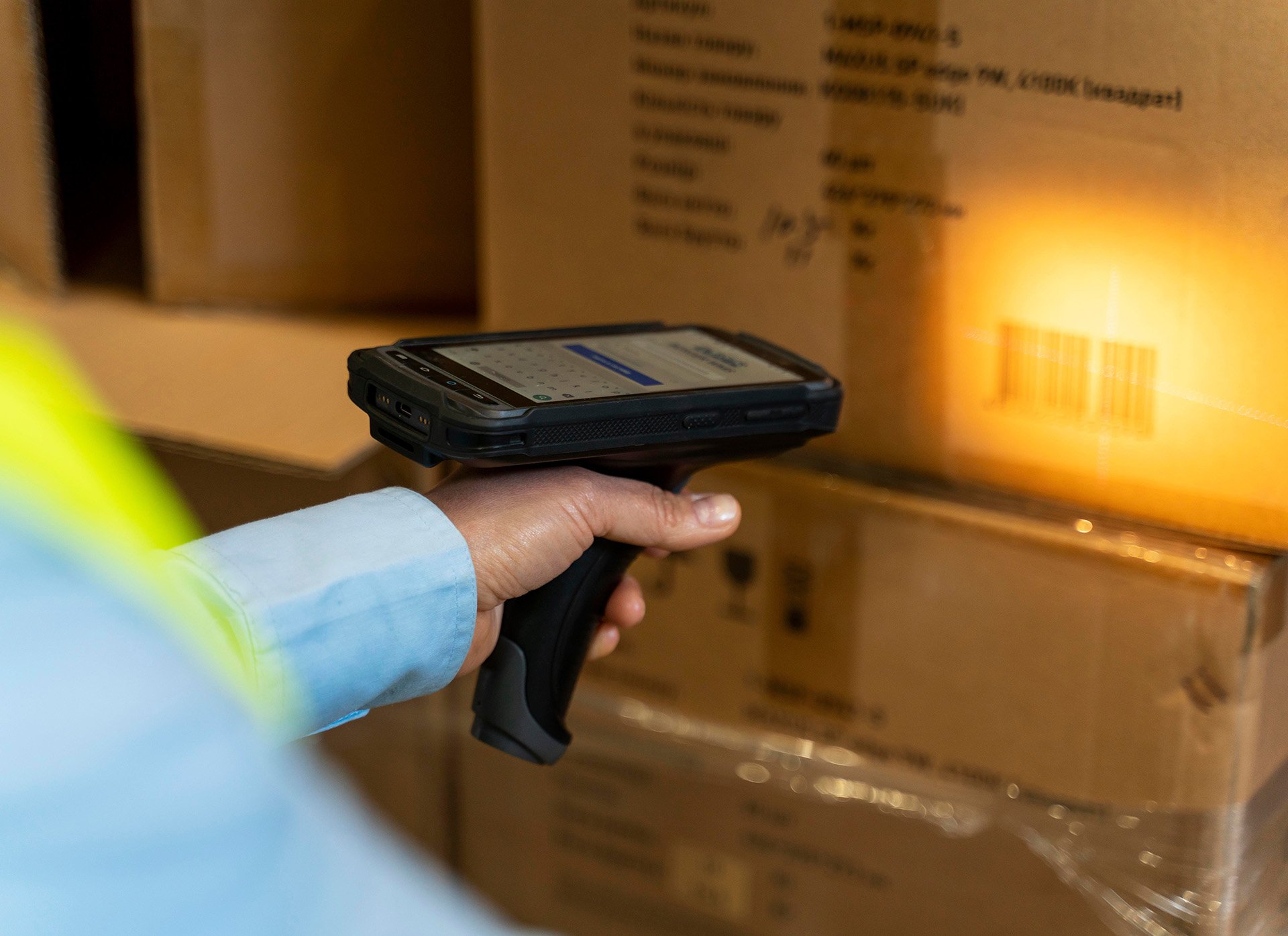
Since a third-party logistics company specializes in order fulfillment, they run their warehouses extremely efficiently. Out-of-stock items are followed up on and restocked as soon as possible, orders are processed immediately, and their staff focuses on reducing shipping times and errors.
Easy Scalability
As your business grows or moves into new markets, it can be difficult to keep up with customer demand. A 3PL provider is experienced in handling rapid growth, increased labor and complex transportation. They are set up to be easily scalable, ensuring that customer satisfaction doesn’t fall off as your business gets larger and busier.
Outpace The Competition
If you offer the same or similar products as your competitors, one way to stand out is to provide exceptional customer service and shipping. Customers will return again and again to a business if the business offers maximum convenience. Delegating your order fulfillment to a 3PL provider empowers you to create the fastest, simplest, most convenient customer experience.
What Tasks Can Be Handled By A 3PL Fulfillment Company?
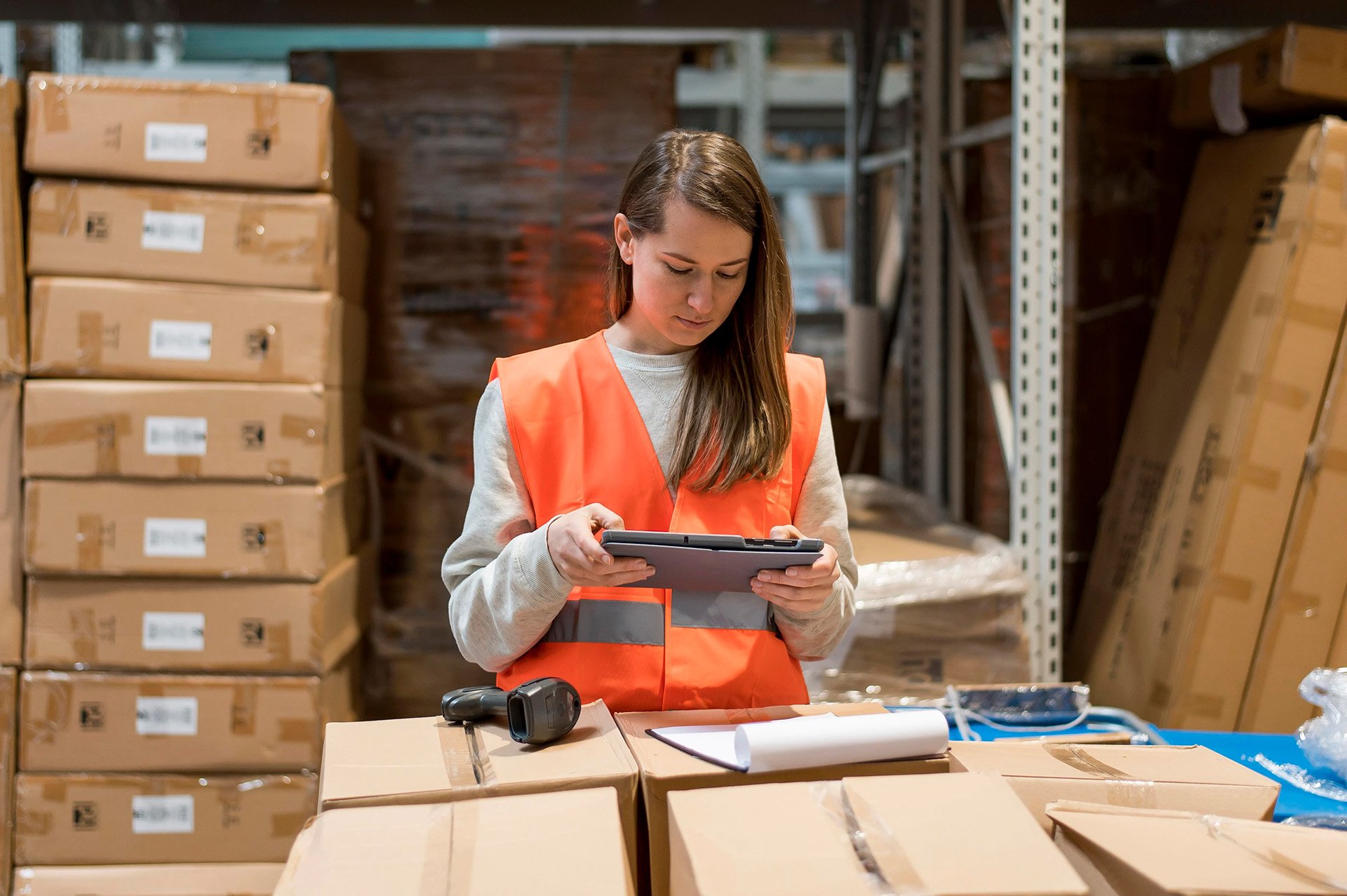
Although it varies from one company to the next, a comprehensive 3PL provider typically handles many core fulfillment services, including:
Procurement And Stocking
Some 3PLs support procurement-related workflows by receiving inbound goods, organizing stock, and helping ensure products are available when needed. This can reduce delays and make replenishment easier to manage.
Shipping And Receiving
At a 3PL warehouse, inventory is received, processed, and prepared for outbound shipment to customers. This helps keep products moving smoothly through every stage of the fulfillment process.
Warehousing And Storage
A 3PL provider stores your inventory in its fulfillment centers and keeps products organized for efficient order processing. This helps you avoid the cost and complexity of running your own warehouse space.
Inventory Management
A 3PL tracks stock levels, product movement, and availability across the fulfillment process. Better inventory management helps reduce overselling, stockouts, and other costly mistakes.
Pick And Pack
Pick-and-pack services help sellers improve order fulfillment speed and efficiency, safeguard order accuracy, with many providers achieving over 96% order accuracy, and create a smoother customer experience overall.
Kitting
Thanks to 3PL kitting, brands can combine multiple products into a single ready-to-ship package for bundles, subscription boxes, promotional sets, and other custom orders. This helps simplify fulfillment, improve presentation, and support more flexible order configurations at scale.
Labeling And Packaging
3PL providers can handle labeling, packing, and other packaging requirements before orders are shipped. This may include branded packaging, retail-compliance labeling, and other custom needs.
Fulfillment Marketing
Fulfillment marketing goes beyond basic shipping by using customer and order data to create a more personalized post-purchase experience. It can include branded custom inserts, coupons, and other tailored touches that help strengthen customer loyalty.
Transportation And Freight
Many 3PLs also coordinate transportation and freight services between suppliers, warehouses, and end customers. This is especially valuable for larger, palletized, or more complex shipments, including B2B and high-volume distribution.
Customs Brokerage
For international shipments, some providers assist with customs-related processes and documentation, reducing delays and supporting a smoother cross-border movement of goods.
Real-Time Tracking
Modern 3PL providers often offer real-time tracking so you can monitor order status, shipment progress, and delivery updates. This improves visibility for both your team and your customers.
Reverse Logistics
Reverse logistics and returns management cover the process of receiving, inspecting, and routing returned products in a way that supports both operational efficiency and customer satisfaction. When handled well, returns can create value through resale, refurbishment, or smarter inventory recovery instead of becoming a simple loss.
The 3PL Fulfillment Process: Key Steps
The 3PL (third-party logistics) fulfillment process covers everything from receiving inventory to shipping and returns. While specific workflows may vary slightly between providers, the fulfillment process for e-commerce orders generally follows these distinct steps:
1. Onboarding And Setup
If you are just starting with your 3PL, you need to do some foundational work first. So, before any physical products are handled, all the necessary digital infrastructure must be set up. This involves integrating the 3PL’s fulfillment software with your ecommerce platforms (like Shopify or Amazon) and defining specific "rules of engagement," such as packing standards, brand inserts, and SKU data.
2. Receiving And Inventory Inbound
The actual process begins when your inventory arrives at the 3PL’s warehouse.
-
Documentation: Most providers require an Advance Shipping Notice (ASN) or a Warehouse Receiving Order (WRO) to know exactly what items and quantities to expect.
-
Verification: The warehouse team inspects the delivery for damage, counts the units, and scans barcodes to log the stock into their system in real-time.
3. Warehousing And Storage
Once verified, items are moved to dedicated storage locations, such as bins, shelves, or pallets. Each SKU is assigned a specific storage spot to ensure the warehouse remains organized and picking stays efficient. Thanks to Warehouse Management Systems (WMS), 3PLs can track inventory locations and levels continuously.
4. Order Capture And Processing
When a customer places an order on your online store, the 3PL’s software automatically syncs it: the system validates the details and adds the order to a queue for the warehouse team to fulfill based on established cut-off times.
5. Picking
A picker (or a picking team) receives a picking list generated by the WMS, which includes the items, quantities, and their exact storage locations. To maximize speed, the system often calculates the most direct route through the warehouse for the picker to follow.
6. Packing
Once the items are gathered, they are brought to a packing station.
-
Materials: Items are placed in boxes or poly mailers with protective materials like bubble wrap or dunnage.
-
Branding: This step may include adding custom branded packaging or promotional inserts to enhance the customer’s unboxing experience.
7. Shipping
The 3PL generates a shipping label and assigns the package to a carrier (such as UPS, FedEx, or DHL).
-
Rate Shopping: Many 3PLs compare rates between multiple carriers to find the most cost-effective option for the required delivery speed.
-
Tracking: Once the carrier picks up the order, tracking information is automatically pushed back to your ecommerce store and the customer.
8. Returns Management And Reverse Logistics
If, for any reason, a customer sends an item back, the 3PL handles the entire returns cycle and reverse logistics. They receive the return, inspect the item’s condition, and -based on your pre-set rules- either restock it, quarantine it for further inspection, recycle, remarket, or dispose of it sustainably.
9. Reporting And Optimization
The final ongoing step is data governance and reporting. A professional 3PL provides data on key performance indicators (KPIs), such as order accuracy, shipping times, and inventory turnover, allowing for continuous improvement of your supply chain.
Debunking 3PL Fulfillment Myths
For businesses considering outsourced fulfillment, it is normal to have concerns about cost, control, and flexibility. But many of the most common assumptions about 3PL services do not reflect how experienced providers actually operate.
If I let an external company handle my order fulfillment, I will lose control over the process.
This fear is common among businesses that have never used 3PL fulfillment services before. The reality, however, is often quite the opposite. Businesses often lose control over their order fulfillment when they are trying to handle it all themselves.
Customer demand is too high for internal staff to keep up, orders are being missed, shipments are not going out on time, and costly errors are being made.
A competent 3PL provider will enable a business to maintain low-error, high-quality service without becoming overwhelmed. They work closely with your business to ensure consistent branding. They also often provide reporting and analytics. This goldmine of customer data enables you to gain new insights into purchasing habits.
Using a 3PL provider is too expensive.
There is, of course, a fee associated with using a 3PL provider. The cost, however, is much lower than the overall cost of not using 3PL services. As we’ve discussed, using an external company for your fulfillment helps you save money on staff, warehouses, shipping and much more.
Another aspect you may not have factored in is the knowledge and experience that a trusted 3PL provider has. They know exactly how to pack and ship items to minimize breakage, resulting in fewer items returned.
They are aware of each shipping zone and the associated fees to cross through it, resulting in better planning. They know the complicated ins and outs of insurance, postage and transportation.
In short, 3PL providers have the expertise that most small businesses do not have. Their sole focus is on providing the most seamless fulfillment experience for you and your customers, empowering you to focus on other important areas of your business.
A 3PL provider is basically just a glorified warehouse.
Storing items is a huge part of any 3PL company’s services. There are, however, so many more essential functions they provide. We’ve already covered some of these services, but there are many others.
-
Ensuring safety and item protection: Making sure the stored and shipped items are not lost, stolen or damaged.
-
Locating and shipping items promptly: Getting the items to the customer as quickly and efficiently as possible, with impeccable accuracy.
-
Providing valuable analytics: Tracking every aspect of the fulfillment process and providing data to your business, so you can see what works best with customers.
-
Marketing your unique brand: Creating custom labels, packaging and other materials to build a personalized customer experience.
Managing customer returns: Handling reverse logistics, when an item must be returned. The company will then take care of product refurbishing, resale, or recycling. This task saves your business a huge amount of hassle and effort.
Which 3PL Provider Should I Choose?
As the 3PL market has grown over the past few decades, so have the options for providers. Many providers focus on hooking customers with rock bottom rates and promises of the fastest possible delivery.
These companies also lose those customers quickly, since they sacrifice quality. It is crucial to choose a 3PL provider with a trusted reputation that will deliver consistent results.
An important aspect of selecting the right provider is checking if they offer flexible options. Some large 3PL companies only offer rigid pricing plans and standard shipping options. These plans may not always suit your business. If a company doesn’t feel like a good fit, it’s probably not the right choice for your 3PL services.
Why Choose The Fulfillment Lab?

Expertise
The Fulfillment Lab is a company staffed with 3PL services experts. We have 15 years of experience in the ecommerce fulfillment space, and we guarantee 99.95% order accuracy.
All orders that arrive before noon are shipped out to customers the same day. We combine speed, accuracy and unmatched customer service to ensure the highest possible customer satisfaction rates.
Customization
We are not just a 3PL fulfillment provider. We handle all your core fulfillment needs, of course. Yet we also offer customized fulfillment marketing services. We examine customer data, such as purchase history, birthdays, and other unique aspects, and use this data to create a highly personalized customer experience.
We work directly with your company to create unique packaging that fits your distinct brand. Your customer will immediately engage with your package when it arrives at their door, creating a lasting first impression and consistent brand recognition. You can also include custom coupons, inserts, labels and more.
Transparency
Our pricing model is built on simplicity, and there are no long-term contracts required. Unlike other providers, there are no hidden fees:
- No receiving fee
- No storage fee
- No integration fee
- No account implementation fee
- No account management fee
- No storage fee for rotated inventory
- No rush order up-charges
- Only pay when your product goes out
At The Fulfillment Lab, we make fulfillment simpler, more flexible, and more aligned with the experience your customers expect. Schedule a meeting today!